Halsey Smart Home Wiring
Smart switches, a connected thermostat and lighting you can set room by room all lean on wiring most people never see: neutrals in the switch boxes, a C-wire at the thermostat, circuits of their own and hardwired data that reaches past the house to the shop and the barn. That is the licensed side of a smart home, and it is the part we handle. Pick whichever devices you like. We make sure the wires behind them are right.
The Wires a Smart Switch Is Counting On
Most smart switches need a neutral wire in the box to stay powered while the light is off. Houses built in recent decades usually have one. Plenty of older Halsey farmhouses do not, because their original switch loops only ever carried a hot leg down to the switch and back up to the fixture. Buy a box of smart switches for a house like that and half of them have nowhere to go.
Thermostats tell the same story. A connected thermostat wants steady power from a common wire, the C-wire, and many older heating systems went in with only the two or three conductors needed to call for heat. Battery adapters and workarounds exist, and in our experience they are hit and miss.
So the job starts with opening the boxes and learning what is really in them. Where neutrals or thermostat conductors are missing, we run them cleanly and to code, so the device you picked works the first time you install it.
What Goes in the Wall Behind a Smart Home
The visible part of a smart home is a switch, a screen or an app. The part that makes it reliable lives behind the drywall, and it comes down to four kinds of work.
Neutrals at Switch Boxes
So smart switches and dimmers stay powered and behave properly, without buzzing, ghost flicker or dropping off the network.
Thermostat C-Wire
A proper common conductor from the furnace or air handler, so the thermostat never goes offline when a battery runs low.
Circuits of Their Own
For a network cabinet, a home server, cameras or a charging station, so nothing important shares a breaker with the vacuum cleaner.
Cat6 and Low-Voltage Runs
Data drops and low-voltage cable pulled alongside the electrical, labeled at both ends and finished exactly where the equipment will sit.
We are electricians, and we stay on the wiring side of the work. You choose the switches, hubs and cameras you trust, and every one of them finds power, a neutral and a solid data connection already waiting in the box when it arrives.
Why Wired Beats Battery on a Rural Property
On a town lot, one router and a handful of battery sensors can cover the whole house. On a Halsey property, the shop may be a long walk from the kitchen and the barn farther still, and wireless signal gives out somewhere across the yard.
The House
Cat6 drops to the rooms that matter, plus a wired access point set centrally so signal is not fighting through old plaster.
The Shop
A data line in its own conduit beside the shop feeder, so cameras and controls out there stay online.
The Barn
Where the distance outruns what copper data cable can carry, we plan the equipment that bridges the gap before trenching.
The Sensors
Hardwired sensors and cameras skip battery changes and keep working when the signal across the yard is weak.
A battery door sensor still makes sense here and there. For anything you lean on every day, a cable in the wall is the dependable answer, and on most properties it is less work to put in than people assume.
Lighting Scenes, Dimmers and LED Strip
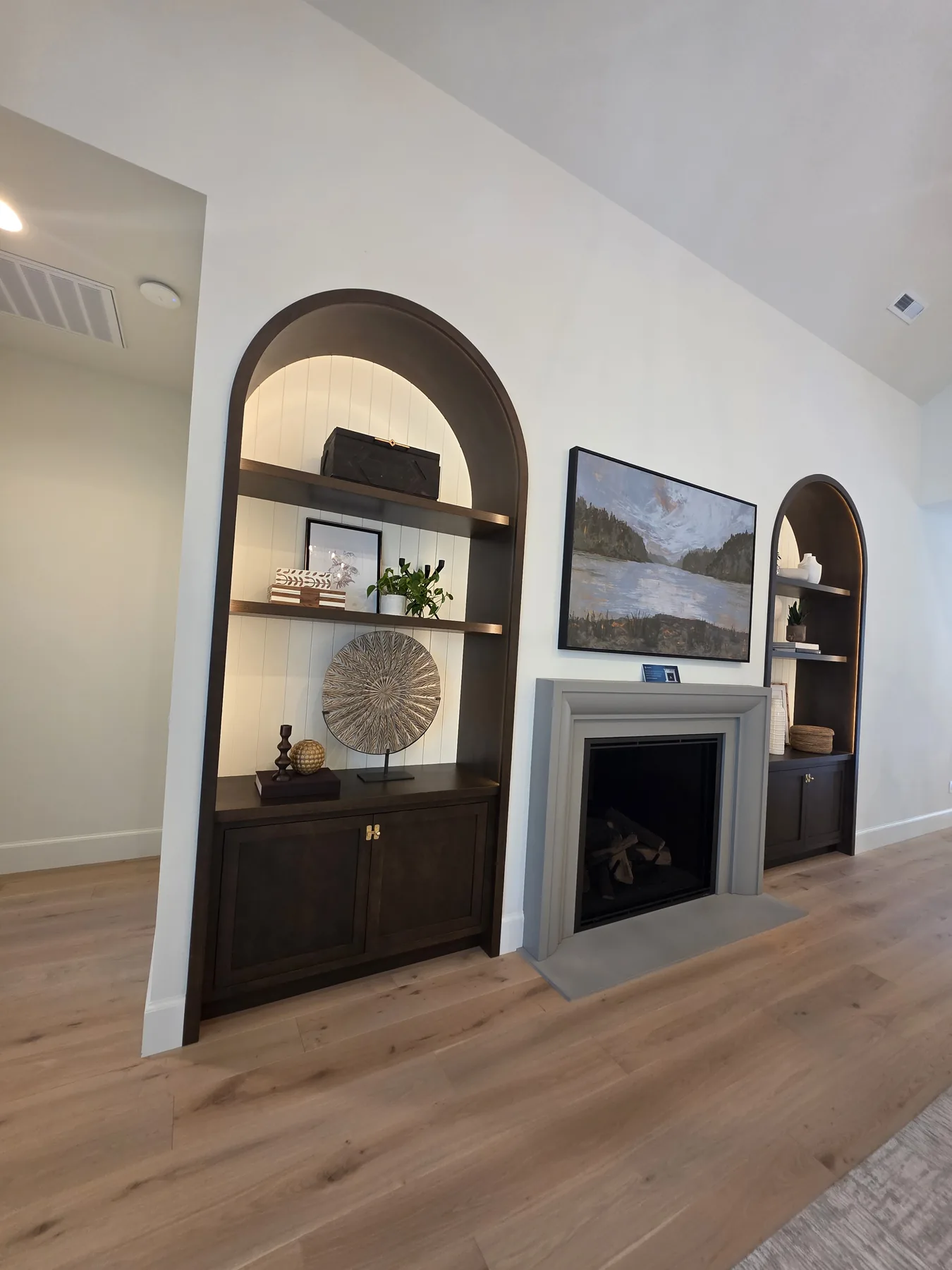
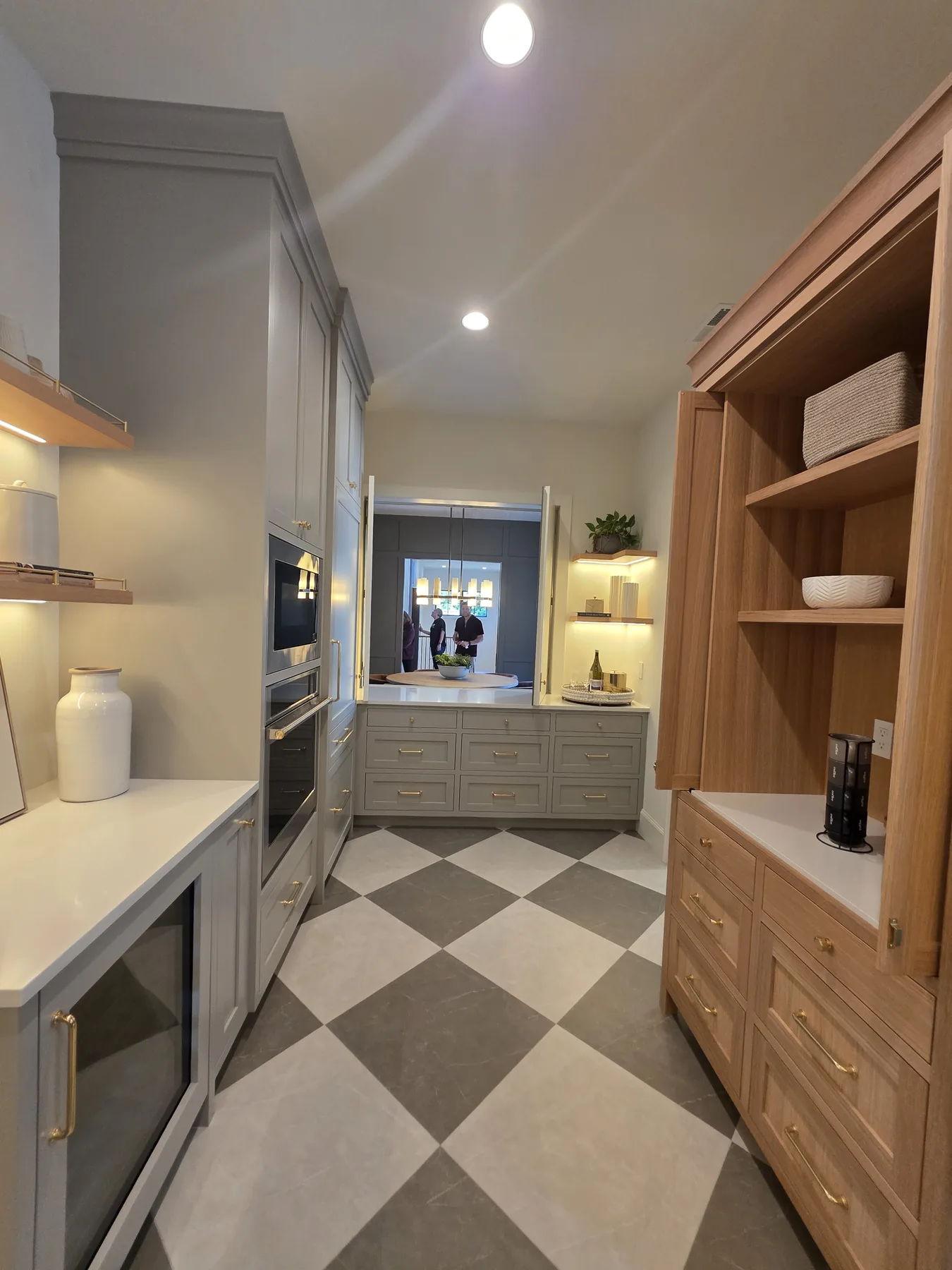
Good smart lighting starts with how a room gets used. A kitchen might want bright task light at the counters in the morning and only the under-shelf strips after supper. A living room might want the recessed cans turned low while the accent lights along the built-ins stay up. We wire those groups on separate switch legs so a scene can really control each one on its own.
LED strip and recessed fixtures each need a matching dimmer, and strip lighting needs a driver mounted where someone can reach it later. We pair dimmers to the fixtures you have chosen so nothing flickers at the low end, and we tuck drivers behind an access panel or inside a cabinet where they can be serviced.
Tell us how you want each room to feel at different times of day, and we lay out the circuits to match before the first wire is pulled.
Easiest Before the Drywall Goes Up
On a new build, each of these runs takes minutes to pull while the studs are bare. Once drywall is hung and painted, the same cable means fishing through finished walls, cutting access holes and patching. Building on a parcel of family land? Plan the smart wiring at rough-in alongside your Halsey new construction electrical work. Gutting an old kitchen or bath is the next best chance, and our Halsey electrical remodels page covers that.
An older farmhouse can still take neutrals and data later, worked in from the attic and the crawlspace to keep patching small. Connected gear is sensitive to spikes, so it pairs well with Halsey surge protection, and if something has already failed, Halsey emergency electrical explains what we do first.
Halsey Is on Our Regular Route
New circuits and fresh wire in your walls count as electrical work that needs a permit, so Brandon pulls the county permit and meets the inspector when it is time. The low-voltage and data runs go in during the same visits, which saves you scheduling a second crew.
Halsey is inside our 70-mile radius with no travel fee, and Brandon brings more than 11 years in the trade to every house. Our residential smart home wiring page goes deeper on what we install, and the Halsey overview covers the rest of our work in town. Veterans get 5% off.
Still choosing switches and a thermostat?
Call Brandon before you buy. He will check your boxes, your thermostat wire and where the router sits, then give you a free quote with the price spelled out.
Smart Wiring Questions Around Halsey
Why will my smart switch not work in my old house?
Most smart switches need a neutral wire in the switch box, and many older farmhouses were wired without one. Without it, the switch has no steady power to stay on. We can run a neutral to the boxes you want to upgrade, often working from the attic or crawlspace.
What is a C-wire and do I need one?
The C-wire, or common wire, gives a thermostat constant power, and many connected thermostats need it to work reliably. If your system went in with only two or three thermostat wires, we can run a new cable with the extra conductor from the furnace or air handler.
Can you run internet out to my shop or barn?
Yes. We run Cat6 data lines in their own conduit along the same path as the power to an outbuilding, so cameras and controls out there stay connected. For very long distances we talk through the right way to bridge the gap before anything goes in the ground.
Do you set up the smart devices themselves?
We install switches, dimmers and hardwired devices that tie into your wiring, and we confirm each one has proper power. Apps, accounts and hubs stay in your hands, so you can choose whatever system you like and keep full control of it after we leave.
Is it better to do this during construction?
Much better. With open studs, neutrals, thermostat wire and data drops take very little time to pull. After drywall, the same runs mean fishing cable and patching holes. If you are building, bring us in before the insulation goes up so everything is in place.
How long does a wiring service take?
It depends on how many boxes and runs are involved. Adding neutrals to a handful of switch boxes can be a short visit, while wiring a whole new house for data and lighting scenes follows the build schedule. We give you a clear timeline along with the free quote.